Dating and Domestic Violence

  • Recognizing Mental Health Concerns Co-occurring With DVSA
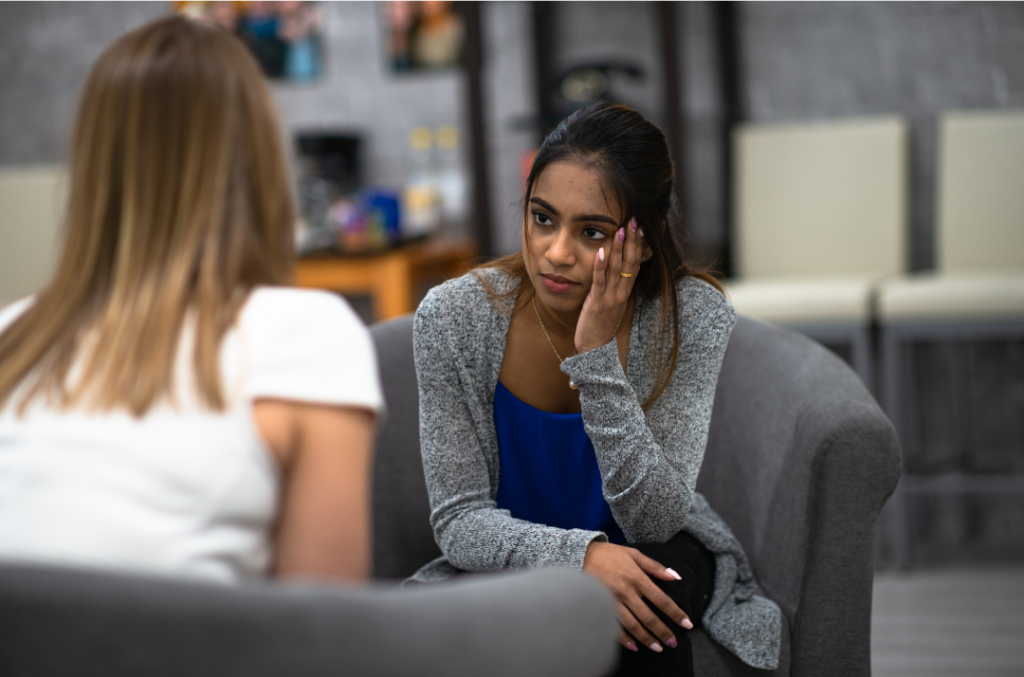
    This webinar will untangle the connection between the trauma of domestic and sexual violence and mental health disabilities while providing practical answers to supporting survivors with mental health concerns. We will focus on the impacts of mental health disabilities alone,...
  • Preparing to Host Accessible Domestic Violence Awareness Month Events

    October is National Domestic Violence Awareness Month. Ensuring that your events and outreach materials are inclusive of people with disabilities and Deaf people is a key opportunity to reach potential …
  • Supporting Black Deaf Survivors

    Black deaf survivors of domestic and/or sexual violence often have to navigate a web of barriers to accessing healing services: programs designed to respond to domestic and sexual violence, for …
  • Promising Practices for Serving Domestic Violence Survivors with Disabilities

    This webinar featured a panel of experts who explored the unique barriers that people with disabilities have to navigate when seeking healing and the strategies that advocates employ to proactively …
  • Centering Survivors with Disabilities in Your Organizational Policies

    When survivors with disabilities and Deaf survivors engage with your victim service organization or disability program, they are necessarily engaging with the policies that guide the delivery of your services. …
  • What’s Happening for Deaf Survivors of Domestic and Sexual Violence?

    Deaf domestic and sexual violence programs are few and far between in comparison to hearing programs. There are only 20 “for Deaf, by Deaf” programs compared to approximately 3,000 programs …
  • Meeting the Needs of Immigrant Survivors with Disabilities

    Survivors with disabilities who have immigrated to the United States face challenges in reporting victimization and receiving services. Language barriers, a lack of a support network in the United States, …
  • How Safe are Americans with Disabilities?

    While people with disabilities make up nearly one-fifth of the U.S. population, they remain largely invisible to society at large, and victim response systems in particular. And despite growing public …
  • Meeting the Needs of Autistic Survivors

    Autistic people live in a society that was not designed for them: one in which they are often forced to conceal who they are and are unable to receive the …
  • Culture, Language, and Access: Serving Deaf Survivors

    Recent research suggests that Deaf women experience higher rates of sexual and domestic violence than their hearing counterparts, but are often shut off from victim services and supports that are …